
Cuba Shines On
My surprising weekend in Havana amid the genocidal US oil blockade.

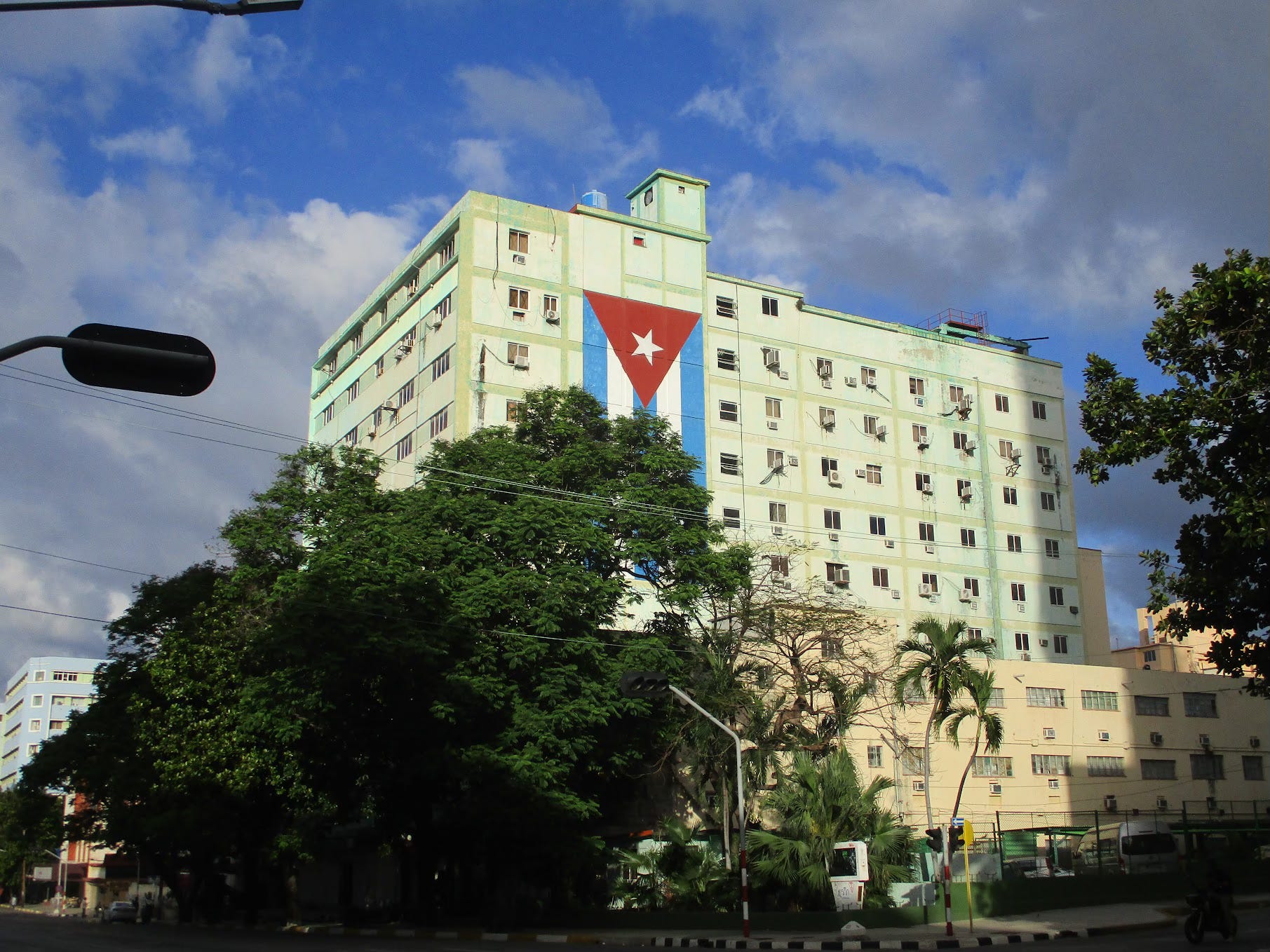
I am nervous to write about the Nuestra América convoy to Cuba as one of the best weekends of my life. Already, the US empire’s most death-driven media outlets are scrambling to smear the massive humanitarian aid delivery as some kind of luxurious “influencer safari,” and I don’t want to add oxygen to the fire by saying I had fun.
But even in the midst of a 20-hour blackout, when my house lost power along with the entire country, it was hard not to feel palpable joy and hope. Because after 66 years of a brutal economic blockade, the Cuban people are experts at sustaining morale. Everywhere I went, that revolutionary spirit was a beating heart through the country.
I had a different experience from most with the Nuestra América convoy, because the US forbids these large groups from a long list of hotels operated by the Cuban state. Many convoy participants got to have power during the blackout, because the few hotels permitted to them by the US government are also allowed to buy oil from the US, even as Cuban hospitals go dark under the blockade. This policy is designed in part to alienate US citizens from Cubans, and it helps foster negative press whenever well-meaning people travel to the island.
Because I happened to travel parallel to the convoy with my own small group, we were able to support the local economy by renting rooms from some Cubans in a casa particular. This also meant that we suffered from the blackout alongside the Cubans; losing water for showers and air conditioning one long, humid night.
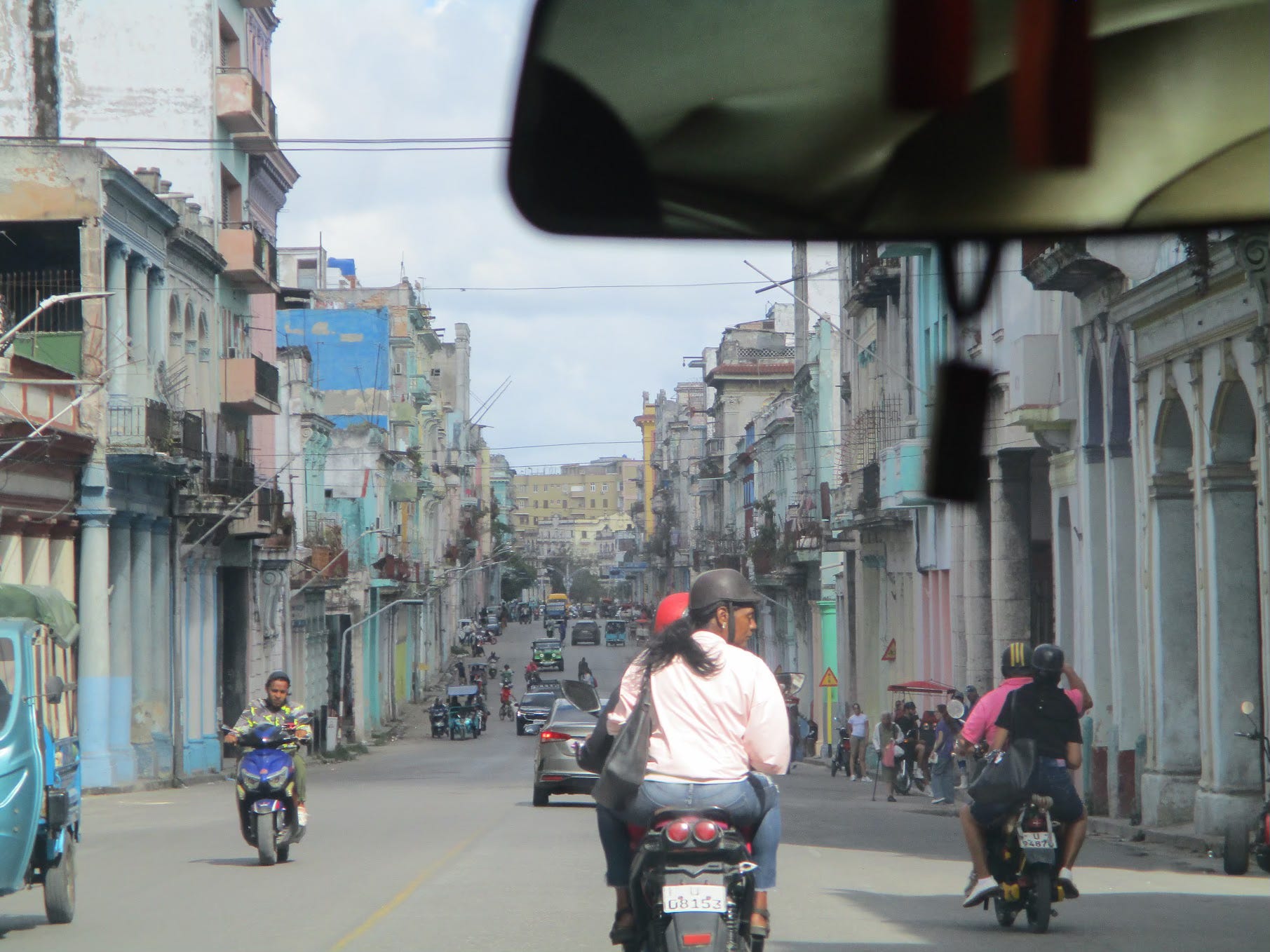
As darkness descended on the residential streets around Old Havana, I saw friends and families gather for dancing, chatter, and dominoes. Marbles pelted the curb, as children on roller-skates wove through the hustle of bikes and rickshaws, pursued by friendly dogs. People dragged mopeds into their living rooms and used the battery headlights to illuminate their parties. Bluetooth speakers, prepared for this moment, blasted reggaeton.
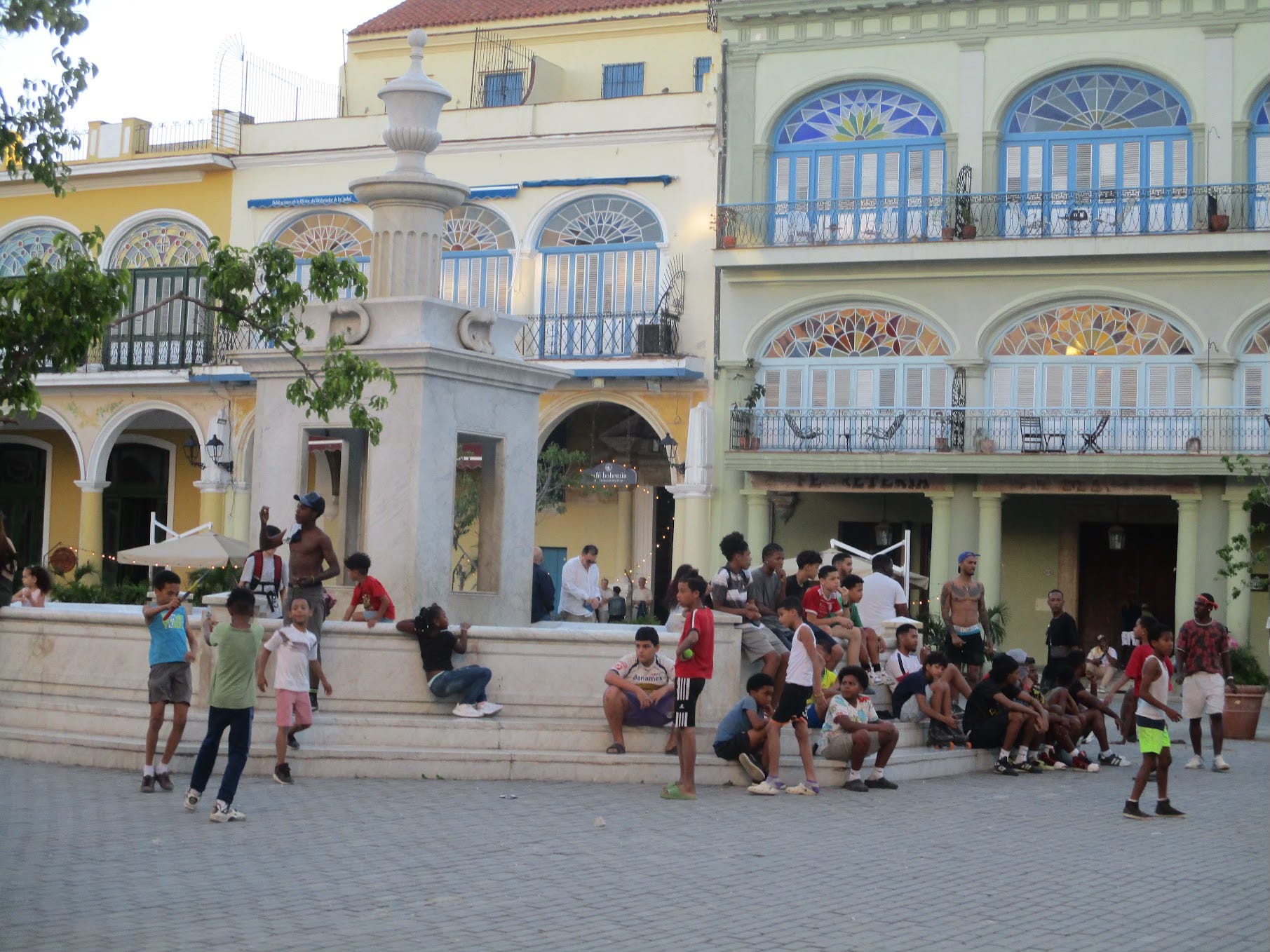
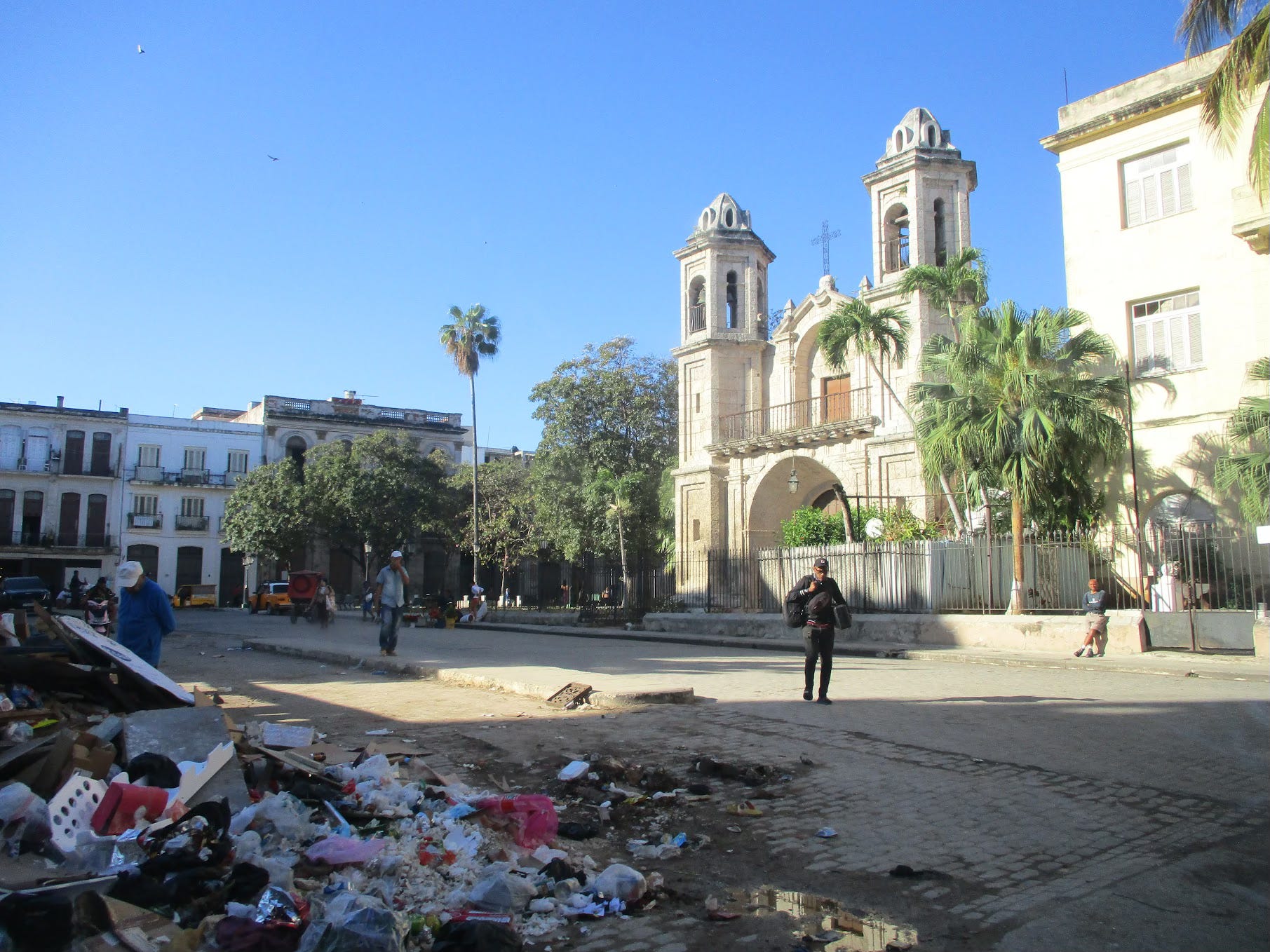
I read as much as I could about the immense suffering from the oil blockade before I arrived in Havana. I knew that during the power grid failures, doctors had to operate infant incubators by hand, terrified for the fates of their patients on ventilators. I knew that without gas and diesel, farmers struggled to transport food into the city, and I saw pictures of empty market stalls next to piles of rotting garbage. I expected to find this beloved place on the verge of total collapse. I was so anxious to deliver my bags of medical supplies and food, and with each passing day, I felt afraid that I would be too late to help the people.
So when I arrived in Havana on Friday, and almost immediately found myself in the second row of a classical Rachmaninoff concert inside a stunning cathedral, I was disoriented. I had arrived in a country in crisis, only to find the people busy with a world-class music performance.
After the concert, I went backstage to look for Alejandro, a Cuban sound engineer I had connected with through a mutual friend. He refused to accept the bags of groceries I had brought him from the US, and insisted I first come back to his home in Vedado, where he and his family would host me for a meal. Blackout be damned: Alejandro and his wife Adalis cooked a delicious spread of beans and rice, fried plantains, and salted vegetables on their gas stove. They were overjoyed that I had brought them chocolate, a luxury item; but they also urged me to eat a little of it with them, and drink the single beer left in their lukewarm refrigerator. I experienced this many times over the weekend in Cuba: the people never let my generosity go unmatched, and were determined to share something in kind.
Alejandro whisked me to Vedado and back on his e-bike, which turned into an impromptu guided tour of his beloved Havana. He asked if I was in a hurry, I said no, and we made a pit stop at a friend’s garage. Inside, a gang of young musicians jammed on acoustic instruments, and they welcomed me in as a stranger to listen. I felt moved by the dignity inside this beautiful dark day, where a power grid failure had no claim on the people making art, spending time with loved ones, and always moving forward with a spirit of resilience and humor.
Late Sunday afternoon, thanks to the heroic efforts of Cuban workers, my neighborhood had power once again. I delivered the rest of my material aid—a suitcase full of medical supplies like catheters, IV tubes and caps, lidocaine, and syringes—to our friend Murid, a Palestinian surgeon working at a Cuban hospital. We heard more sobering news about the energy crisis and how it affects the hospitals, but we also got to learn about Murid’s everyday work providing free medical care to the Cuban people, of which he is very proud. You can watch his Belly of the Beast documentary to see more.
It had been nearly a year since my first trip to Cuba, and over the weekend I recognized again that shift into a new reality; one which I can only describe as feeling more like a person.
In the Nashville and Miami airports, just hours before arriving, I had felt like a burden to my fellow man: my body an object, constantly in somebody’s way, jostling for space in scarce environments. I moved around with my guard up and head down, clinging to my possessions, nervous to talk too loud about my reasons for going to Cuba. I was a cattle being moved robotically from one pen to another, until my final transition to the island, where the Cuban people looked me in the eyes and spoke to me as an equal.
I walked all over Havana by myself, and I never feared for my safety the way I do in American cities. I wasn’t an object to be catcalled, threatened, or followed. I could feel my person-ness around me like a shield, and I could tell that other people saw that—and they saw me. Even in this dire and desperate moment, I was in a place where people were understood to be sacred, not something to exploit as a means to an end.
Old Havana’s row houses have massive door-like windows that open wide into the street, framing the lives that carry on inside, and at times it feels like there is no separation between the sidewalk and the home. People looked out at me, I looked at them; we were all sharing one place together. As my fleeting days in Cuba unfolded, I felt my guard coming down, and I felt myself softening into something more human. I’m trying to articulate that it was one of the best weekends of my life because I briefly turned back into a person.
My experience of the blackout is limited to a few parts of Havana, and of course I can’t claim to speak for what every Cuban is going through at this extraordinary moment. Like all people, Cubans are a mixed bag of opinions. Some of them do want regime change in their country. A few will even tell you that they want Donald Trump to take over.
But my overall impression, after talking with dozens of Cubans informally on the street and in their homes; as well as attending speeches with representatives from many groups, is that the vast majority of Cubans do not want the revolution overturned. They still want exactly what they fought for in 1959: self-determination, freedom from US intervention, and a sovereign state. The genocidal blockade has hampered the potential of this incredible country for more than 6 decades, and the heightened oil blockade of the last 3 months has only strengthened the peoples’ resolve toward their freedom. This will not break the Cuban people.
Today, in the US, it feels like we are teetering on the edge of something destabilizing. Oil prices are skyrocketing, thanks to the Trump administration’s bafflingly short-sighted attacks on Iran, and we can see an even sharper increase on the horizon as the state responds to our insatiable bloodthirst by closing off its diplomatic trade networks. I’m aware of this moment of extreme uncertainty and fear, trapped inside this dying empire as it thrashes, but I am moving through it with a fully soothed nervous system because I have been to Cuba.
I have seen the incredible ways that people can care for each other despite having so few resources. I have seen art, laughter, music, and revolutionary hope blooming out of the darkness. I have proof that there is a way to respond to disaster with ingenuity and creativity. There is a way to build a social fabric out of solidarity and common humanity, rather than exploitation and greed. I know this because it exists 90 miles south of this country.
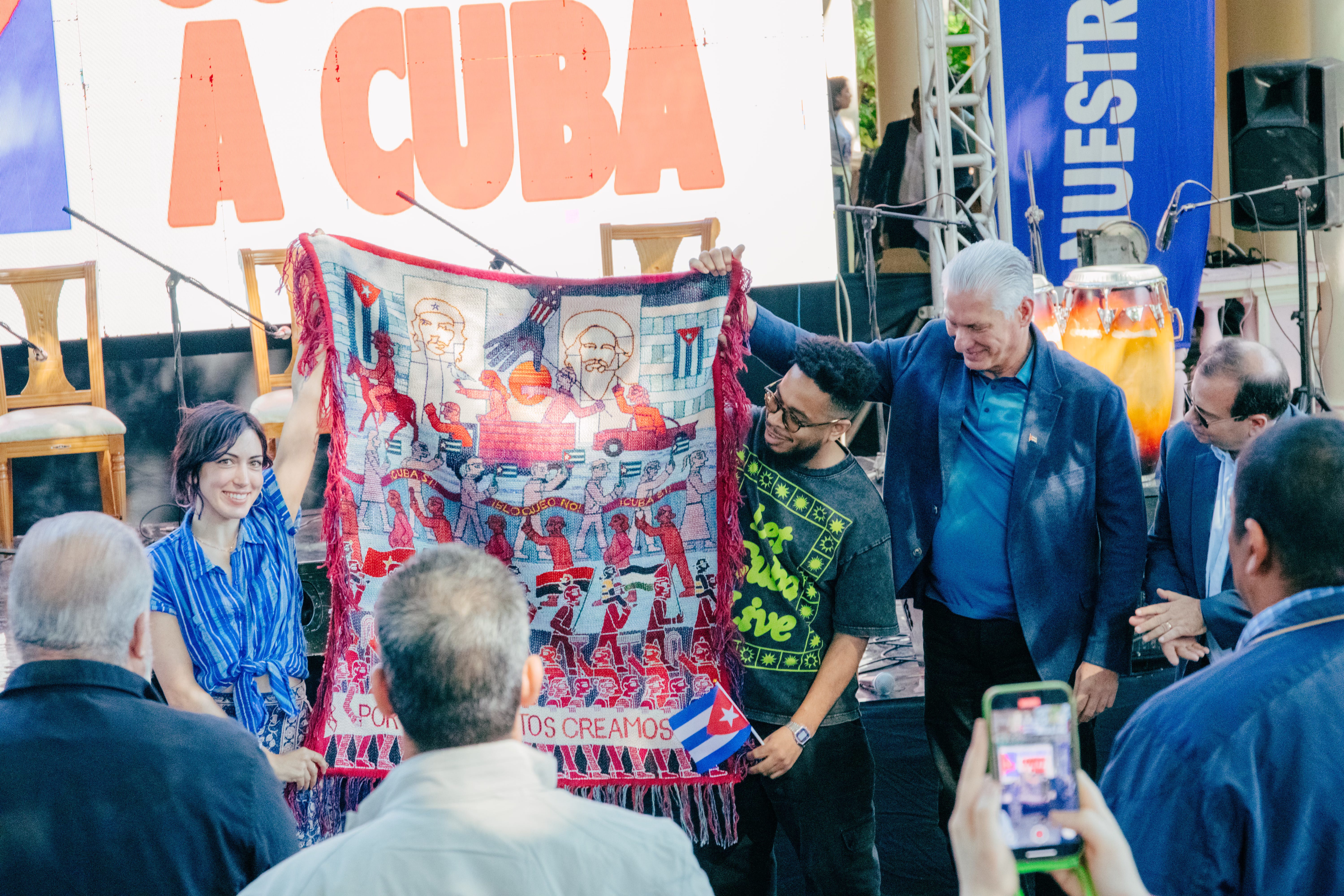
Cuba is my North Star. I’ll do whatever I can to help the Cuban people in their struggle toward dignity and self-determination. I was honored this weekend to present my tapestry, Primero de Mayo, to the Cuban Institute of Friendship with Peoples (ICAP) and have it received by President Miguel Díaz-Canel. Along with my small contribution of material aid, I hope this symbolic gift affirms the shared humanity between the US working class and the Cuban people.
Our futures are bound up together, and we in the US need the Cuban revolution as our guiding light in the darkness. Let it shine! Let Cuba live!
Labor Intensive Recommendations
Aid flotilla vessel arrives in Cuba amid US-driven energy crisis — Al Jazeera
Dispatch from Cuba — the Nation
Jeremy Corbyn: Why I Keep Standing Up for Cuba Despite the Political Cost — Belly of the Beast
Turn The Lights Back On — Current Affairs
What a hopeful, informative article on a country I still hope to visit 👊🏼
I feel the same. Cubans have a functioning society, a community, where human beings are not yet commodified.